Engines often show early warning signs before serious failures occur. Paying attention to performance changes helps prevent expensive repairs and breakdowns. Drivers who recognize symptoms early save time, money, and unnecessary stress.
Understanding how to detect engine problems protects both safety and reliability. Regular inspections and timely maintenance reduce long-term wear and extend vehicle life. Staying alert to changes in sound, performance, or warning indicators can make all the difference.
What Are The Early Warning Signs of Engine Problems
Early signs of engine problems include unusual noises, reduced power, and visible smoke or fluid leaks. Warning lights on the dashboard signal issues with ignition, fuel, or temperature systems. Ignoring those signs increases repair costs and risks major engine failure.
Why Unusual Engine Noises Should Never Be Ignored
Odd sounds often serve as the first indication of developing engine issues. Knocking, tapping, or grinding noises can point to worn bearings, loose parts, or oil starvation. Addressing those noises early prevents internal damage and system strain.

Changes in pitch or rhythm usually suggest friction or imbalance inside the engine block. Prolonged operation under stress worsens wear and reduces overall performance. Experienced technicians can isolate the source of each sound quickly through inspection and testing.
Professional evaluation ensures proper lubrication, part alignment, and engine integrity. Regular monitoring eliminates guesswork and prevents small noises from turning into catastrophic failures.
What Are the Common Symptoms of Engine Problems
Drivers often notice consistent signs when engine performance begins to decline. Recognizing these symptoms early allows timely maintenance before larger issues develop. Each indicator points toward an underlying system imbalance that needs correction.
- Loss of Power: Reduced acceleration or climbing ability often signals compression or fuel delivery issues.
- Rough Idling: Vibration or uneven idle speed suggests ignition or airflow imbalance.
- Excessive Exhaust Smoke: Blue, white, or black smoke indicates burning oil, coolant leakage, or poor combustion.
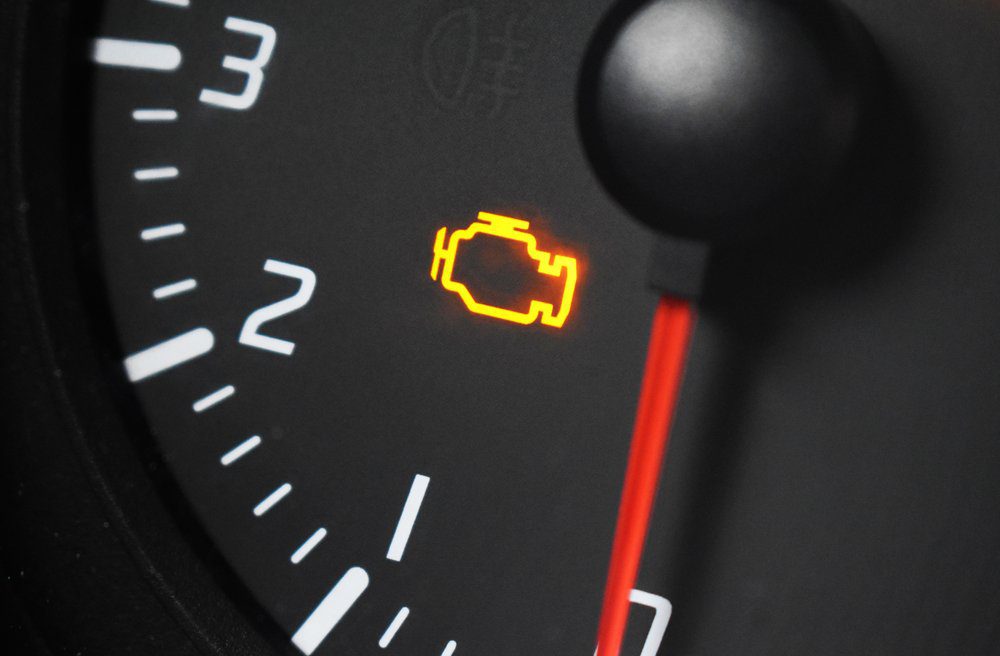
- Warning Lights: Engine or temperature indicators show that onboard sensors have detected system faults.
- Poor Fuel Economy: Rapid fuel consumption suggests internal inefficiency caused by mechanical wear or clogged components.
How Fluid Leaks Reveal Hidden Engine Problems
Fluid leaks serve as visible warnings of mechanical or gasket failure. Oil stains beneath the vehicle often indicate seal deterioration or pressure loss. Continuous leaks may lead to overheating and poor lubrication across engine components.
Coolant leaks create temperature instability and accelerate corrosion within the cooling system. Transmission or power steering fluids may mix with engine oil during major seal failure. Identifying leak origin quickly prevents additional contamination and wear.
Certified technicians use dye testing and inspection tools to locate problem areas. Timely repair ensures proper fluid circulation and engine cooling efficiency under all conditions.
Why Regular Engine Maintenance Prevents Major Repairs
Scheduled maintenance remains the most effective defense against costly breakdowns. Routine inspections detect early signs of wear and ensure all parts function properly. Keeping service intervals consistent extends both performance and reliability.
- Oil Changes: Clean oil maintains lubrication and prevents internal friction.
- Filter Replacement: New filters ensure unrestricted air and fuel flow.
- Coolant Checks: Proper coolant balance prevents overheating and corrosion.
- Belt and Hose Inspection: Detecting cracks or wear avoids sudden mechanical failure.
- Diagnostic Scans: Electronic readings identify hidden issues before they escalate.
How Modern Diagnostics Identify Hidden Engine Problems
Advanced diagnostics provide detailed insight into system performance. Scanning equipment reads sensor data from ignition, fuel, and emission systems. Technicians interpret those readings to pinpoint causes of poor performance or warning lights.

Accurate diagnostics prevent unnecessary part replacement and speed up repair. Identifying faulty sensors or clogged injectors early reduces labor and downtime. Modern technology ensures precision and consistency in every service visit.
Regular diagnostic scans improve efficiency across all mechanical systems. Timely analysis maintains fuel economy, smooth operation, and engine balance.
When Drivers Should Schedule an Engine Inspection
Drivers should schedule inspections at the first sign of reduced performance or strange noises. Persistent vibrations, leaks, or warning lights always require professional attention. Postponing service increases the risk of complete mechanical failure.
Vehicles used in heavy traffic or extreme weather conditions need more frequent checks. Fleet operators benefit from predictive maintenance that identifies wear trends across multiple vehicles. Preventive scheduling reduces repair frequency and downtime.
Annual or seasonal inspections ensure engines remain efficient throughout changing conditions. Consistent care guarantees lasting reliability and lower operating costs.
Why Early Detection Protects Your Vehicle
Spotting engine problems early prevents damage that leads to expensive repairs or replacements. Small issues such as leaks or poor performance often signal deeper mechanical wear. Quick response preserves both safety and long-term engine health.
Trust P&L Automotive in Fremont, Nebraska, for professional diagnostics and complete engine repair. Our ASE-certified technicians specialize in identifying early warning signs and restoring performance. Keep your vehicle running efficiently through proactive maintenance. Contact P&L Automotive today to schedule an inspection and avoid costly future repairs.
s