
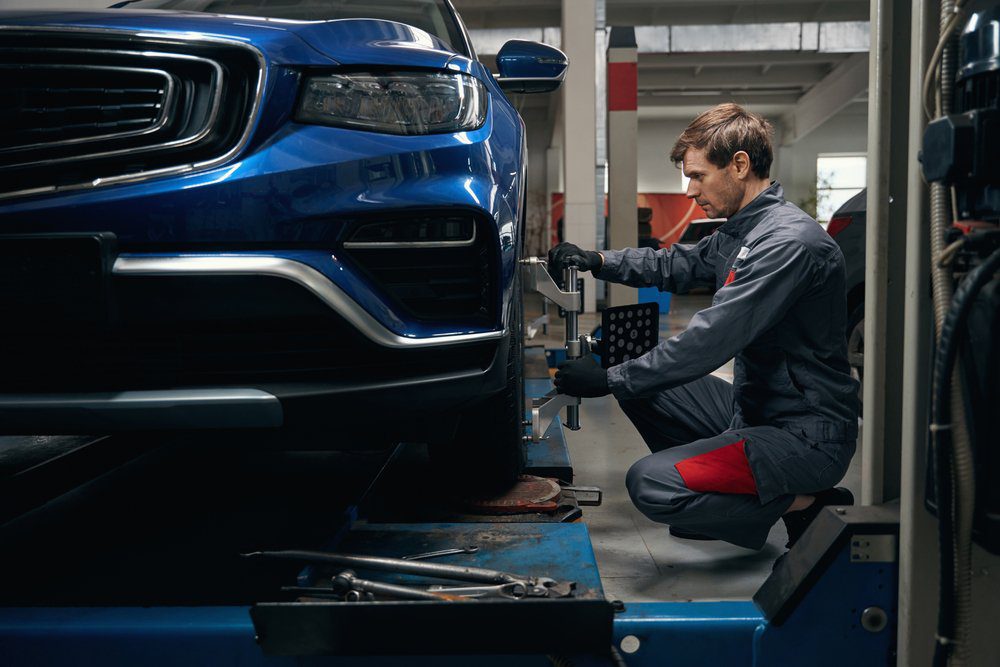
Wheel alignment plays a crucial role in keeping vehicles safe, efficient, and stable. Proper alignment ensures that all tires make equal contact with the road, maintaining balanced control and predictable handling. When alignment angles shift, even slightly, drivers experience uneven tire wear and reduced driving precision.
Drivers who maintain proper alignment enjoy smoother rides and longer-lasting tires. Consistent service prevents premature suspension wear, improves fuel efficiency, and enhances safety. Regular alignment checks ensure your vehicle performs reliably under all road and weather conditions.
Why Wheel Alignment Matters for Every Vehicle
Wheel alignment directly affects steering accuracy, tire longevity, and suspension stability. Proper alignment keeps all wheels parallel and evenly distributes weight while the car moves. Misalignment reduces handling precision, leading to faster tire wear and steering problems.
How Poor Alignment Impacts Vehicle Safety
A misaligned vehicle can drift, pull, or react unpredictably during turns. Drivers experience reduced steering control and longer stopping distances during sudden maneuvers. Proper alignment keeps the vehicle centered and stable under braking or acceleration.

Unbalanced wheels can reduce traction and cause skidding, especially on wet or uneven roads. Alignment adjustments maintain full tire contact, improving safety and road grip. Every alignment correction enhances control and overall driving confidence.
Regular inspection ensures suspension and steering geometry remain correct. Early adjustments restore smooth operation and prevent premature wear on vital components.
What Are the Warning Signs of Poor Wheel Alignment
Recognizing early signs of misalignment helps prevent costly repairs. Each symptom points to incorrect tire angles or suspension wear. Drivers should book an inspection when any of these conditions appear.
- Uneven Tire Wear: Tires showing wear on one edge signal incorrect camber or toe settings.
- Vehicle Pulling: A car drifting to one side suggests imbalance or misalignment between wheels.
- Off-Center Steering Wheel: A crooked steering wheel during straight driving reveals alignment issues.
- Vibrations While Driving: Misalignment often causes shaking or vibration at higher speeds.
- Squealing Tires: Excessive tire noise during turns often results from improper wheel angles.
Why Proper Alignment Improves Fuel Efficiency
Proper wheel alignment reduces drag and rolling resistance, allowing the engine to perform more efficiently. Balanced angles help the tires glide smoothly over the road, reducing strain on drivetrain components. Less effort means lower fuel consumption and better mileage.
Misaligned wheels create friction that forces the engine to work harder. Drivers often notice higher fuel bills and increased tire wear when alignment is neglected. Restoring balance reduces resistance and improves overall performance.
Certified technicians adjust camber, caster, and toe settings precisely according to manufacturer guidelines. Proper alignment enhances both driving comfort and fuel efficiency.
How Wheel Alignment Protects Suspension and Tires
Suspension and tire systems depend on proper alignment for even weight distribution. Misalignment adds pressure to shocks, joints, and bearings, shortening their lifespan. Regular adjustments preserve part integrity and ensure consistent contact with the road.
- Extended Tire Life: Even wear prevents premature replacement and improves grip.
- Reduced Suspension Stress: Correct alignment lessens strain on key suspension components.
- Improved Steering Response: Alignment accuracy sharpens steering control and feedback.
- Lower Maintenance Costs: Preventing wear minimizes expensive suspension and tire repairs.
- Enhanced Ride Comfort: Balanced wheels eliminate unnecessary vibration and steering pull.
When Drivers Should Schedule Wheel Alignment Service
Drivers should schedule alignment after hitting curbs, potholes, or noticing steering changes. Regular checks every 6,000 to 10,000 miles catch small misalignments early. Timely correction prevents more expensive repairs and extends component life.

Vehicles used in commercial or fleet settings face heavier loads and frequent mileage. Those conditions demand more frequent alignment services to maintain safety and reliability. Scheduled maintenance improves performance across every vehicle in operation.
Certified professionals use precision alignment machines to measure all angles accurately. Proper adjustment ensures safe handling, smoother driving, and longer-lasting parts.
Why Professional Alignment Services Deliver Better Results
Professional alignment provides the accuracy manual measurements cannot achieve. Technicians use computerized systems that measure each wheel angle in real time. This technology ensures every adjustment matches factory standards.
Accurate alignment reduces wear, improves safety, and prevents steering issues. Expert technicians ensure every tire operates in perfect synchronization with suspension geometry. The process results in more efficient performance and long-term savings.
Professional inspections also include checks of suspension, tires, and steering components. Complete service ensures that all systems work together for reliable control and consistent comfort.
Why Wheel Alignment Should Be Part of Every Maintenance Plan
Wheel alignment plays a critical role in both safety and performance. Ignoring small misalignments leads to expensive tire replacements, poor handling, and increased fuel use. Regular checks maintain control, comfort, and vehicle longevity.
Trust P&L Automotive for professional wheel alignment and comprehensive vehicle care. Our ASE-certified technicians use advanced diagnostic equipment for precision service every time. Keep your vehicle safe, smooth, and efficient with expert alignment. Contact P&L Automotive today to schedule your next alignment service.