
A smooth and controlled ride depends on a well-maintained suspension system. Every part of the suspension works together to absorb shock, maintain tire contact, and keep vehicles stable. When parts wear out or fail, drivers experience vibration, noise, and reduced comfort behind the wheel. Routine suspension repair ensures every component performs correctly.
Regular service improves vehicle balance, extends tire life, and enhances safety. Drivers who stay consistent with maintenance enjoy better handling, smoother rides, and lower long-term repair costs.
How Suspension Repair Restores a Smooth Ride
Suspension repair restores balance, stability, and control during driving. Replacing worn shocks, struts, or bushings eliminates vibration and uneven tire movement. Proper alignment of suspension components improves ride comfort and handling precision.
Why Suspension Problems Affect Ride Comfort
A failing suspension system allows excessive movement between the vehicle’s body and the road. Drivers may feel bumps, vibrations, or swaying when turning or braking. Suspension wear reduces the system’s ability to absorb road impact effectively.

Changes in handling often occur gradually, making early detection difficult. Drivers may notice excessive bounce, uneven tire wear, or increased stopping distance. Ignoring those signs leads to further component stress and higher repair costs.
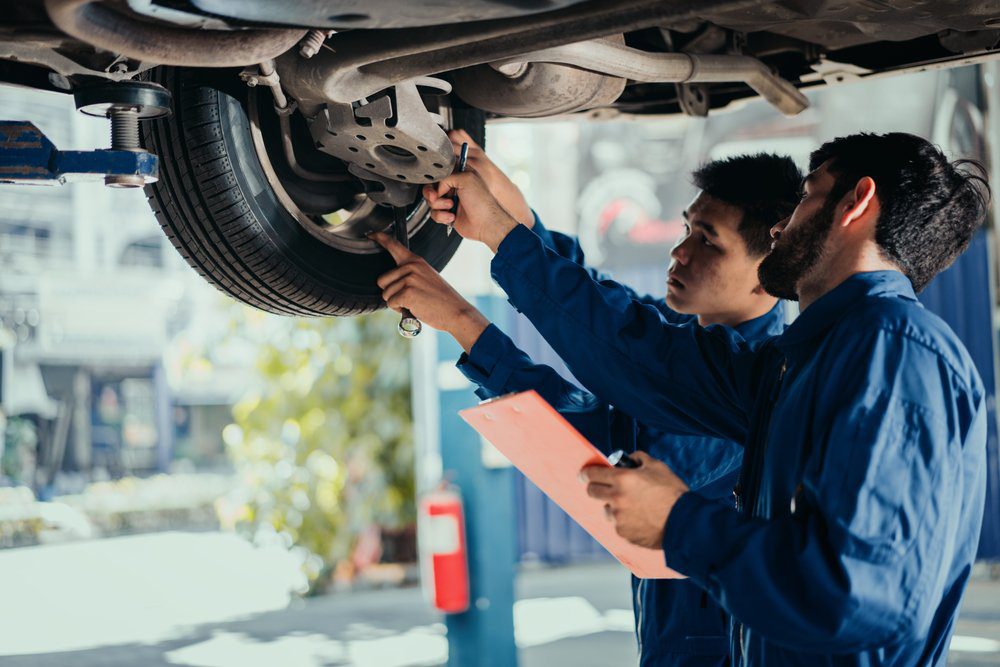
Certified technicians evaluate all suspension parts during inspection. Adjustments and part replacements restore stability, comfort, and proper steering alignment.
What Are the Common Signs You Need Suspension Repair
Identifying suspension issues early prevents more expensive repairs and dangerous handling problems. Each symptom points to worn parts or hydraulic imbalances. Drivers should schedule inspection when the following signs appear.
- Uneven Tire Wear: Poor suspension alignment causes inconsistent pressure and tread loss on one side.
- Excessive Bouncing: Vehicles that continue to bounce after bumps often have worn shocks or struts.
- Pulling to One Side: Damaged components or uneven alignment can cause steering drift.
- Nose Diving During Braking: A worn front suspension makes the vehicle dip forward under braking.
- Clunking or Rattling Sounds: Loose or damaged parts often produce noticeable noise over uneven terrain.
How Suspension Components Work Together
Suspension systems rely on shocks, struts, springs, and control arms to absorb road impact. Each part contributes to maintaining vehicle height, stability, and traction. When one component fails, the entire system becomes unbalanced.
Shocks and struts manage energy transfer from road surfaces to the frame. Springs support vehicle weight and maintain clearance under different loads. Control arms and bushings keep wheels aligned, ensuring accurate steering and handling.
Professional suspension repair restores cooperation among these components. Proper synchronization prevents wear, improves safety, and guarantees a comfortable ride on every trip.
Why Regular Suspension Maintenance Prevents Long-Term Damage
Routine maintenance identifies minor issues before they develop into major suspension failures. Regular inspections protect both the suspension and connected systems such as steering and tires. Preventive care ensures consistent performance and safety under all driving conditions.
- Reduced Tire Wear: Proper suspension alignment extends tire life and improves traction.
- Better Steering Response: Well-maintained components provide stable cornering and quicker feedback.
- Improved Comfort: Balanced suspension absorbs vibrations and bumps more effectively.
- Lower Repair Costs: Early maintenance prevents complex mechanical replacements later.
- Enhanced Safety: Stable handling minimizes accident risk during emergency maneuvers.
How Suspension Repair Improves Vehicle Stability
Suspension repair restores control and balance, keeping vehicles steady during acceleration, turning, and braking. Properly functioning systems distribute weight evenly across all tires. That balance improves grip and prevents skidding or uneven wear.
When shocks and struts degrade, body roll increases, making handling unpredictable. Drivers often experience reduced braking performance and steering accuracy. Repairing damaged components restores responsiveness and keeps vehicles centered on the road.
Technicians use specialized tools to measure alignment angles and ride height. Accurate calibration ensures the suspension supports consistent performance and stability across varying speeds.
When Drivers Should Schedule Suspension Service
Drivers should schedule suspension checks at the first sign of bouncing, noise, or irregular handling. Annual inspections also help detect early wear that develops gradually. Ignoring symptoms often leads to added strain on tires and steering systems.
Vehicles that carry heavy loads or travel on rough roads require more frequent service. Commercial and fleet vehicles especially benefit from preventive suspension care. Consistent attention improves reliability and driving safety under continuous operation.
Scheduling regular inspections ensures early detection and efficient repair. Professional maintenance preserves ride quality and reduces the likelihood of costly breakdowns.
Why Suspension Repair Keeps Every Ride Safe and Comfortable
A healthy suspension system provides the comfort, control, and safety every driver expects. Ignoring small signs of wear leads to poor handling, faster tire wear, and compromised safety. Regular maintenance guarantees better performance and lower lifetime costs.
Trust P&L Automotive for professional suspension repair and full-service vehicle care. Our ASE-certified technicians specialize in diagnosing and restoring suspension systems to peak condition. Maintain stability, comfort, and confidence on the road with expert service. Contact P&L Automotive today to schedule your suspension inspection and experience the difference.