
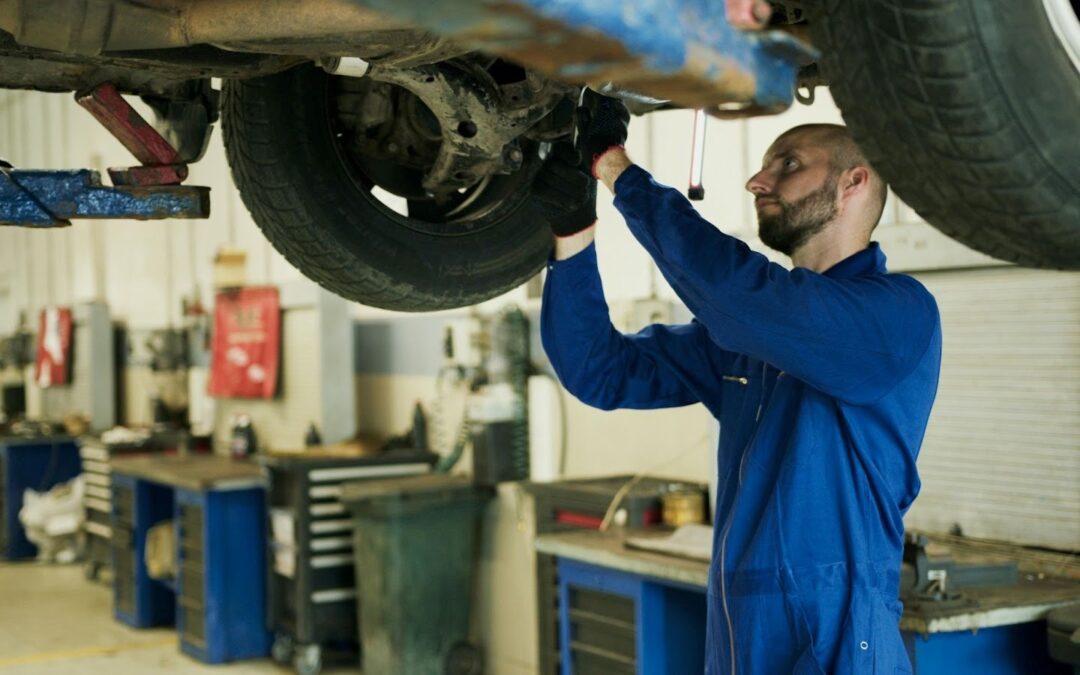
Preventive maintenance is the key to keeping your vehicle reliable, safe, and efficient year-round. Regular service protects your engine, transmission, and brakes while saving money on costly repairs. Simple routine checks make a big difference in long-term vehicle performance.
Every season brings unique driving challenges, from extreme heat to freezing cold. Staying consistent with maintenance helps prevent unexpected breakdowns and keeps your car running smoothly in any condition. With proper care, your vehicle stays ready for every road and weather change.
What Preventive Maintenance Steps Keep Cars Reliable Year-Round
Preventive maintenance includes oil changes, fluid checks, tire care, and brake inspections performed regularly. Routine service reduces wear, improves safety, and enhances vehicle performance. Consistent maintenance ensures reliability and extends the lifespan of every major component.
Why Regular Oil Changes Are the Foundation of Preventive Maintenance
Engine oil keeps parts lubricated and prevents overheating under changing temperatures. Regular oil changes remove contaminants that reduce performance and efficiency. Fresh oil maintains proper engine function and protects against internal damage.

Neglecting oil service leads to friction, buildup, and long-term engine strain. Dirty oil thickens in cold weather and burns faster in heat. Consistent oil changes every few thousand miles preserve smooth performance and fuel economy.
Professional technicians can recommend the right oil type for your vehicle and driving habits. Using the correct viscosity ensures protection in all seasons.
What Fluids Need to Be Checked During Preventive Maintenance
Your vehicle relies on multiple fluids to operate smoothly. Each system requires clean, properly filled fluid to perform effectively. Inspecting and replacing them regularly prevents breakdowns and overheating.
- Coolant: Keeps engine temperature stable and prevents freezing or overheating.
- Brake Fluid: Maintains consistent pressure and prevents corrosion in the brake system.
- Transmission Fluid: Protects gears and ensures smooth shifting.
- Power Steering Fluid: Provides easier handling and reduces strain on the steering pump.
- Windshield Washer Fluid: Maintains clear visibility in all weather conditions.
Why Tire Care Is a Critical Part of Preventive Maintenance
Tires influence everything from safety to fuel efficiency. Worn or underinflated tires increase braking distance and reduce traction. Consistent care keeps your vehicle balanced and secure on every surface.
Tire pressure fluctuates with temperature changes, affecting grip and control. Regularly checking and adjusting inflation improves handling and extends tread life. Rotating tires every few months ensures even wear and better performance.
Professional alignment and balancing prevent vibration and uneven pressure on the suspension. Properly maintained tires maximize comfort, stability, and mileage.
How Seasonal Inspections Improve Vehicle Performance
Seasonal inspections prepare your vehicle for temperature and weather changes. Routine evaluations detect wear that may worsen under extreme conditions. Keeping systems in check prevents breakdowns during high-demand months.
- Battery Testing: Cold and heat reduce charge capacity, making pre-season checks vital.
- Brake Inspection: Verifies pads and rotors are ready for slippery or wet roads.
- Wiper and Light Check: Ensures visibility and safety in rain, fog, or snow.
- Cooling System Service: Protects against overheating during summer driving.
- Exhaust System Inspection: Detects leaks that affect emissions and performance.
Why Battery and Electrical Maintenance Should Never Be Ignored
Your vehicle’s electrical system powers ignition, lights, and accessories. A weak battery or corroded terminals cause unreliable starts and electrical malfunctions. Regular testing confirms voltage output and connection strength.
Seasonal temperature shifts can weaken older batteries faster. Replacing them every few years prevents emergency failures. Cleaning and tightening terminals maintain consistent current flow across all systems.
Professional shops test alternators, starters, and wiring during routine service. Identifying minor issues early keeps your vehicle dependable and efficient.
When Drivers Should Schedule Preventive Maintenance
Preventive maintenance should follow manufacturer guidelines or occur every 5,000 to 7,500 miles. Regular appointments keep vital systems functioning correctly. Staying on schedule avoids sudden failures and costly repairs.
Drivers who travel frequently or operate in harsh weather should schedule more frequent checks. Fleet vehicles especially benefit from consistent maintenance programs. Proactive service extends component life and ensures reliability under heavy use.
Technicians record maintenance intervals and track future service needs. Following that plan keeps your vehicle running efficiently and safely year-round.
Why Preventive Maintenance Protects Long-Term Vehicle Health
Preventive maintenance keeps vehicles performing at their best through every season. Regular inspections, oil changes, and system checks protect major components and prevent breakdowns. A few hours of care now save you from costly repairs later.
Trust P&L Automotive for professional preventive maintenance that keeps your car safe and reliable year-round. Our ASE-certified technicians deliver comprehensive inspections and expert service tailored to your vehicle’s needs. Stay confident on the road with consistent, high-quality care. Contact P&L Automotive today to schedule your next preventive maintenance appointment.